— A Real-Life Look at Japanese Culture and Overseas Markets, from the Field —
A record of practical insights and observations gained in the field overseas, centered on culture, food, and regional character.
This report compiles the lessons and insights Suguru Nishida has gained through his hands-on experience overseas, including business negotiations, cultural exchange, site visits, event management, and conversations with chefs.
Rather than a simple activity report, it aims to re-examine, from a local perspective, how the essence of Japanese culture, regional character, and food culture is received overseas, and to serve as a practical reference for companies and local governments considering overseas expansion.
Part of these activities includes “WABITABI,” a training program for experiencing Japanese history, culture, and regional character firsthand, which continues as a practical initiative to convey the value of Japanese culture from a perspective different from tourism.
The content here reflects personal observations drawn from conversations and experiences on site, and does not represent the official views of any particular organization or company. We hope the real feel of the field overseas offers a small hint to those about to take on the challenge.
2. Attending the Emperor’s Birthday Reception at the Consulate General of Japan in Rio de Janeiro
— Promoting Kumamoto’s sake culture and the feel of the local market
During this stay in Rio de Janeiro, we attended the Emperor’s Birthday Reception held at the Consulate General of Japan in Rio de Janeiro. The reception is an important occasion for diplomatic and cultural exchange where Japanese and Brazilian stakeholders gather, and it was attended by a wide range of people from the local business community, the food industry, and the cultural sector.
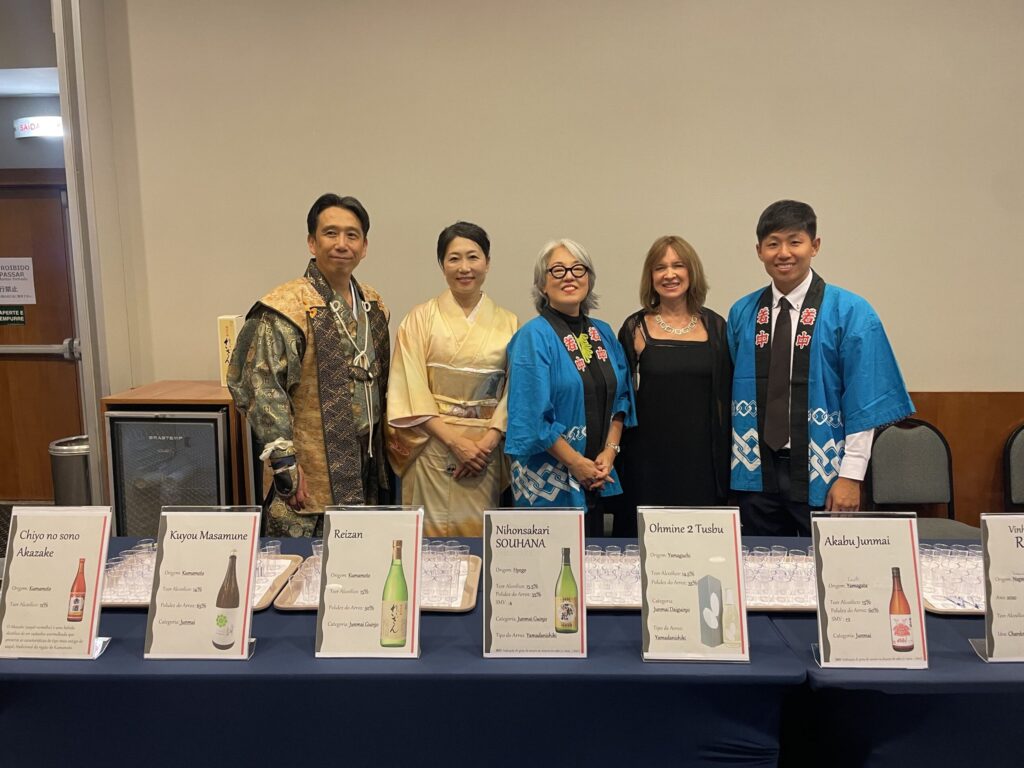
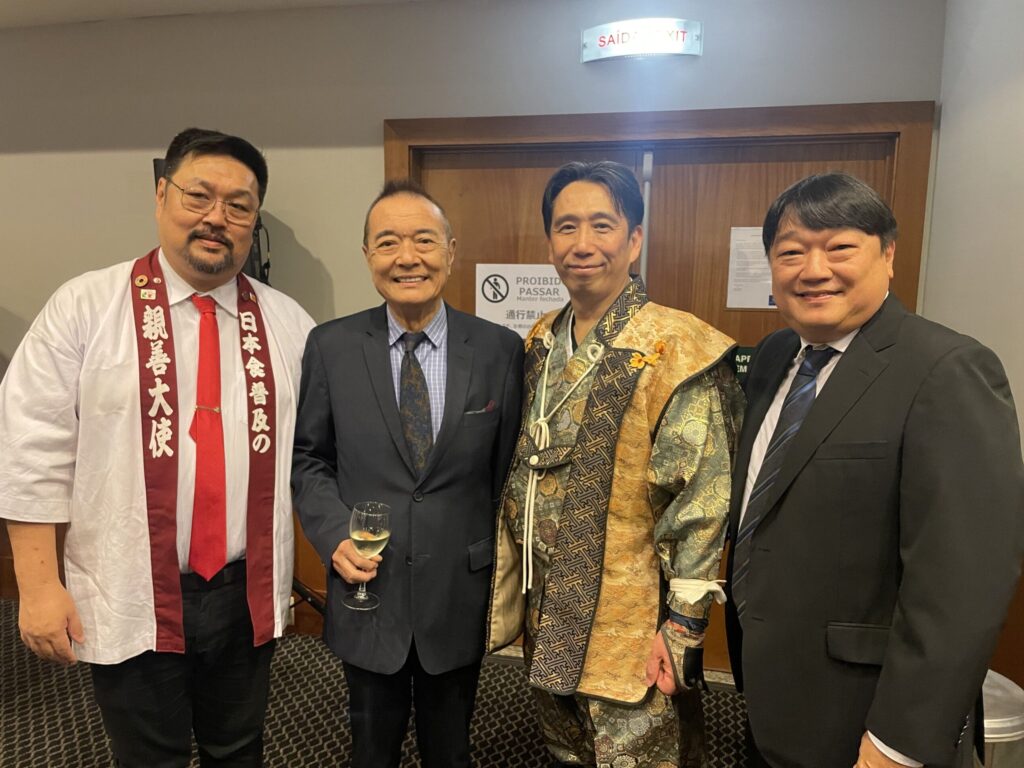
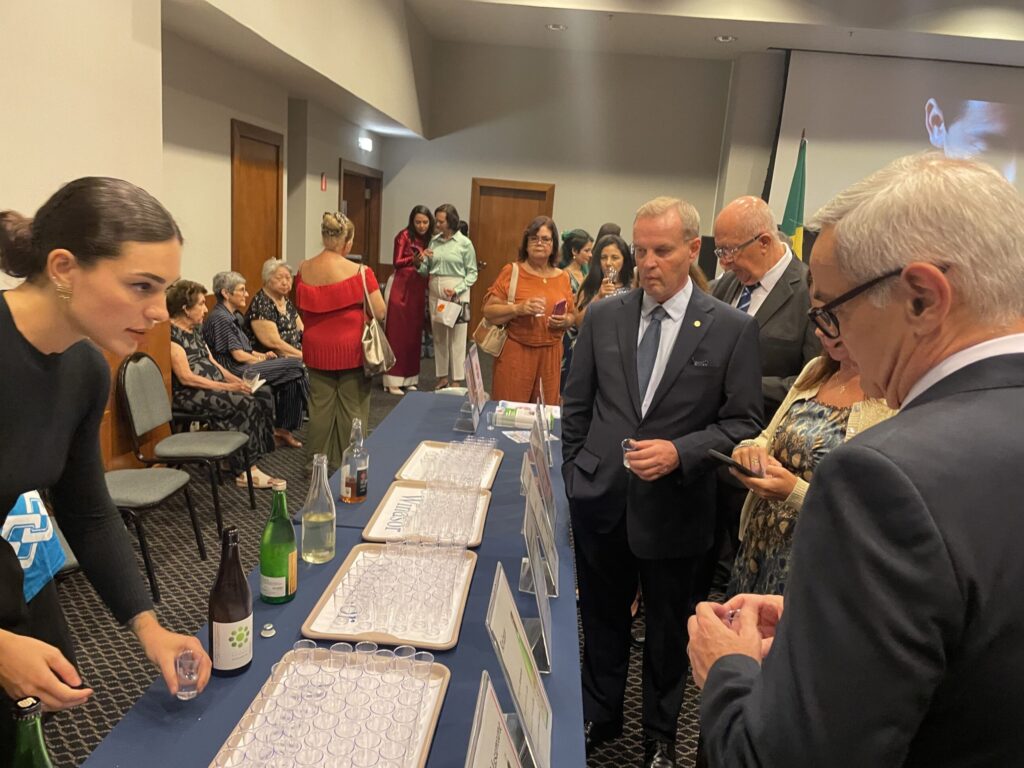
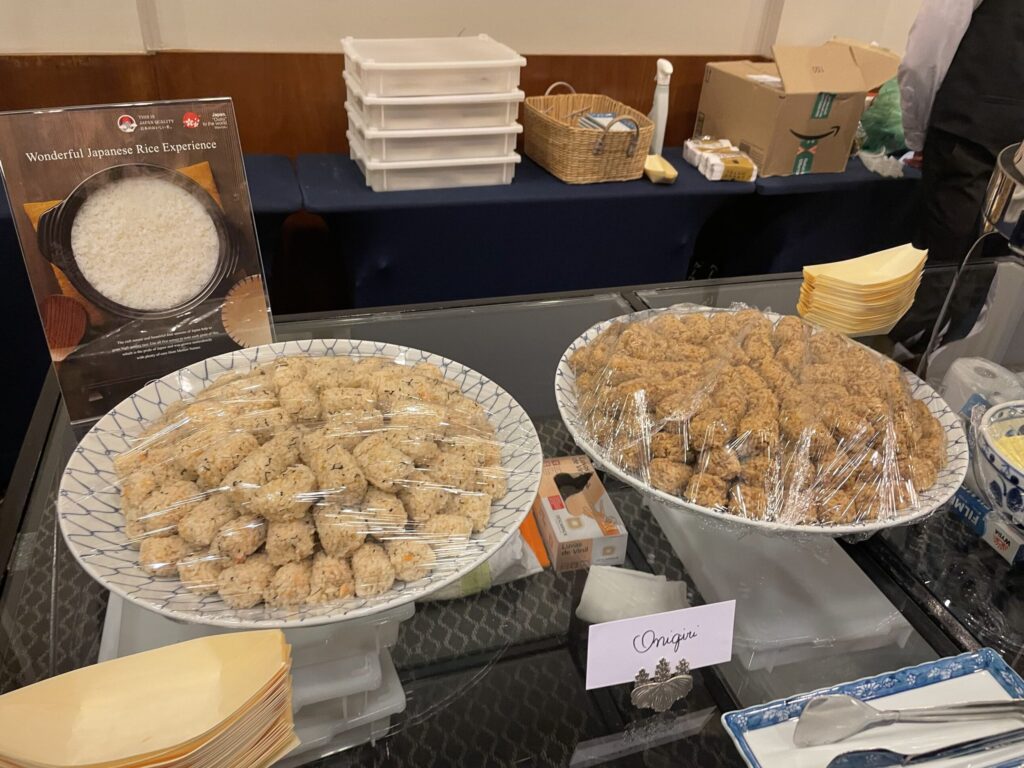
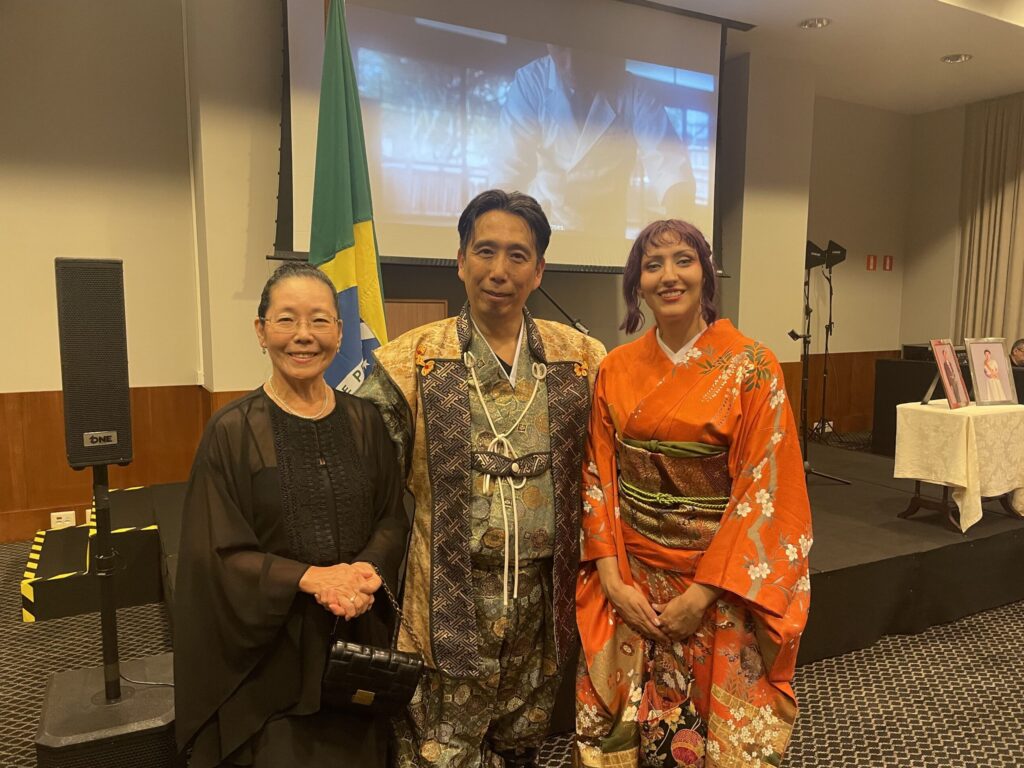
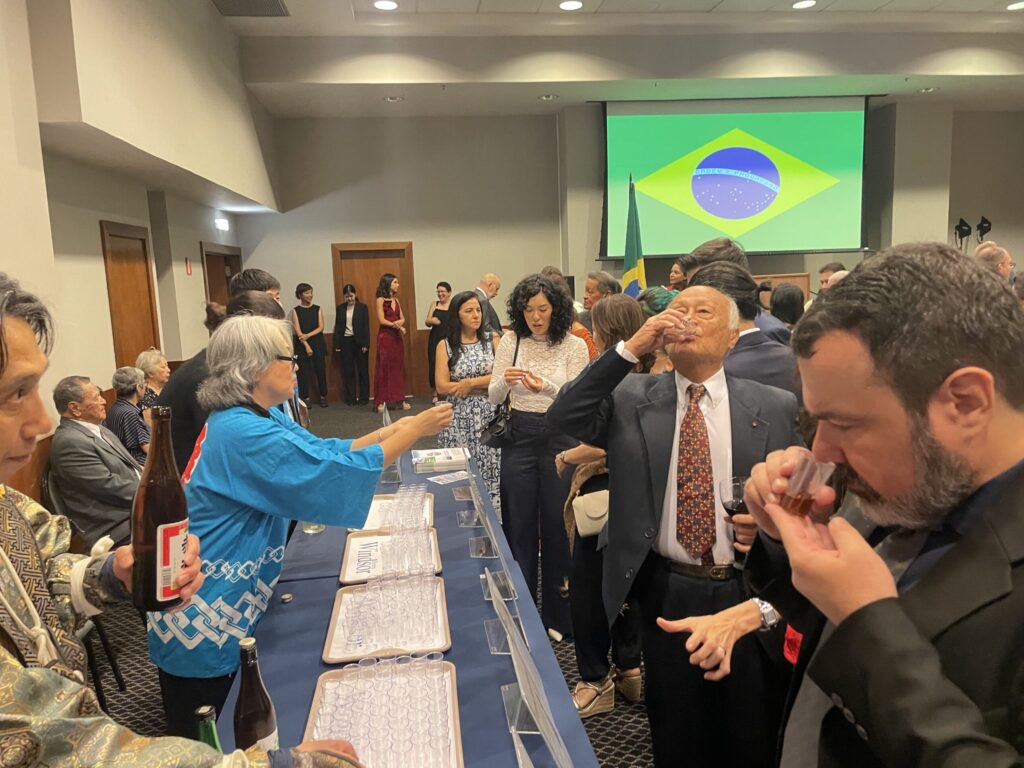
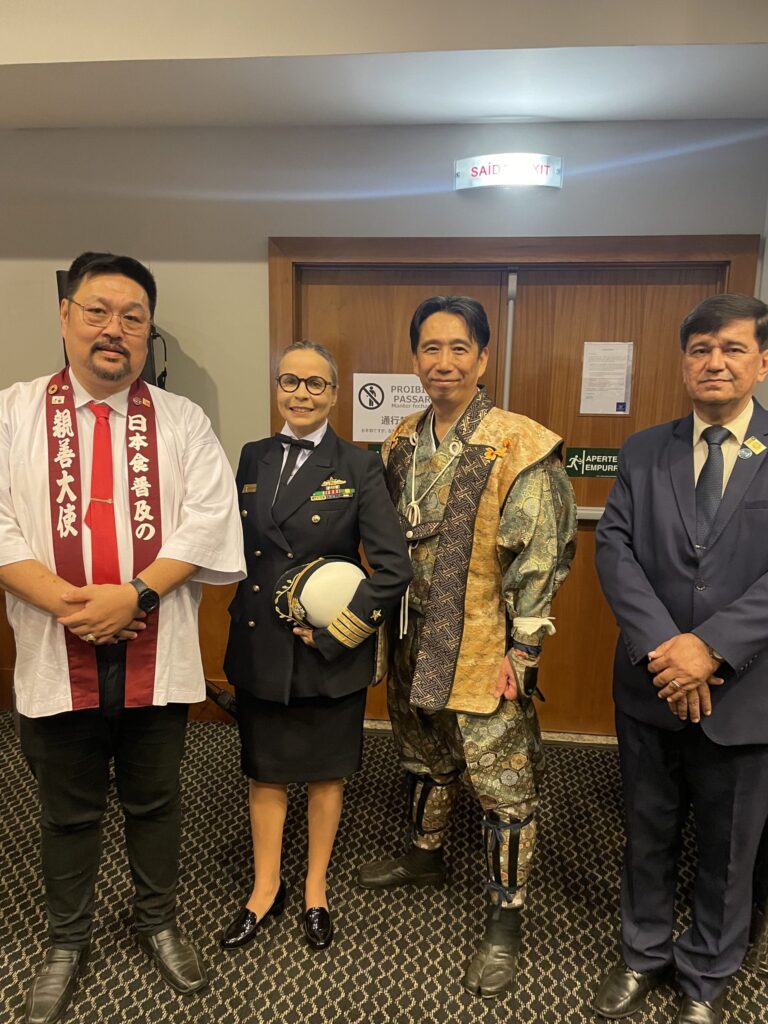
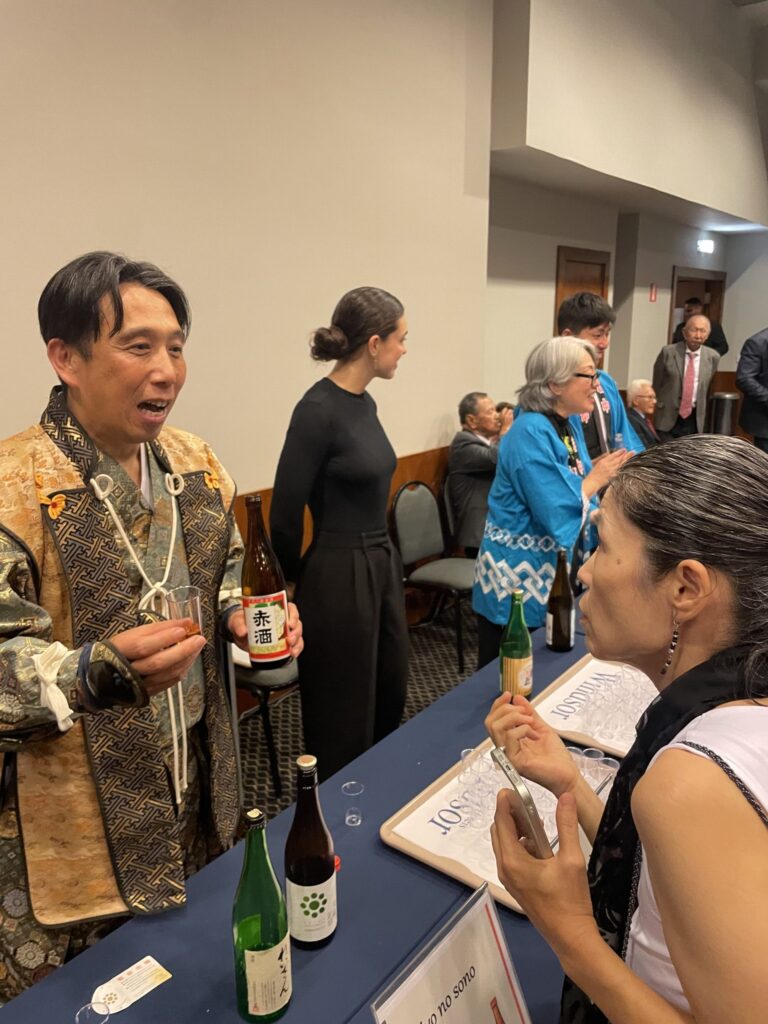
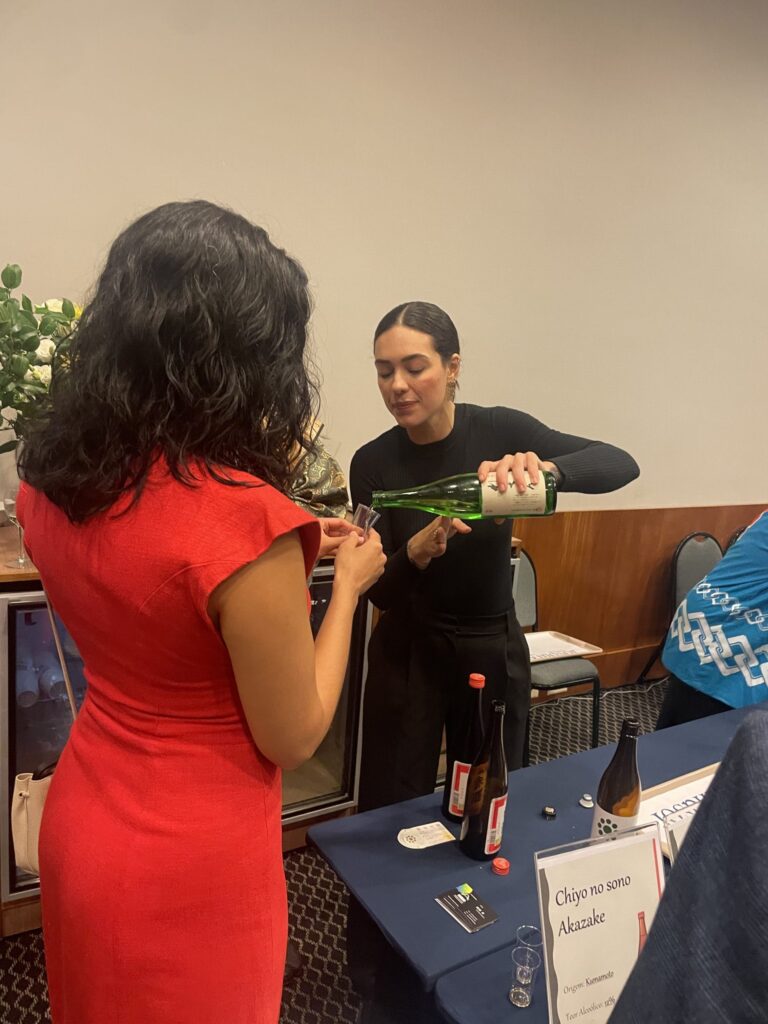
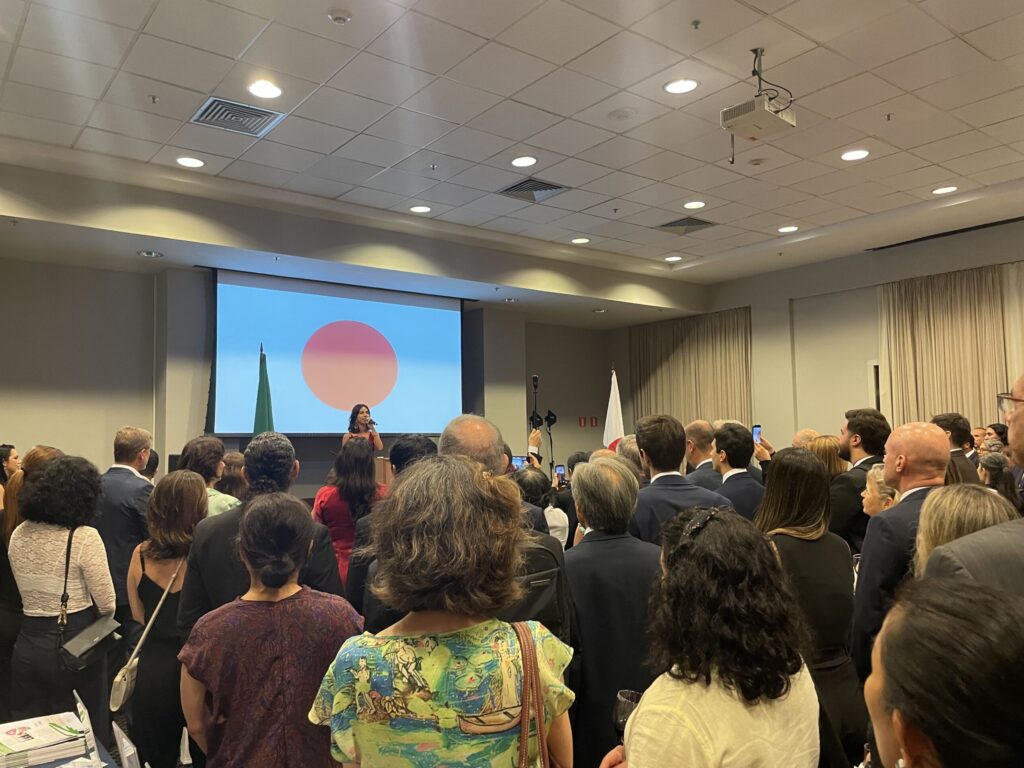
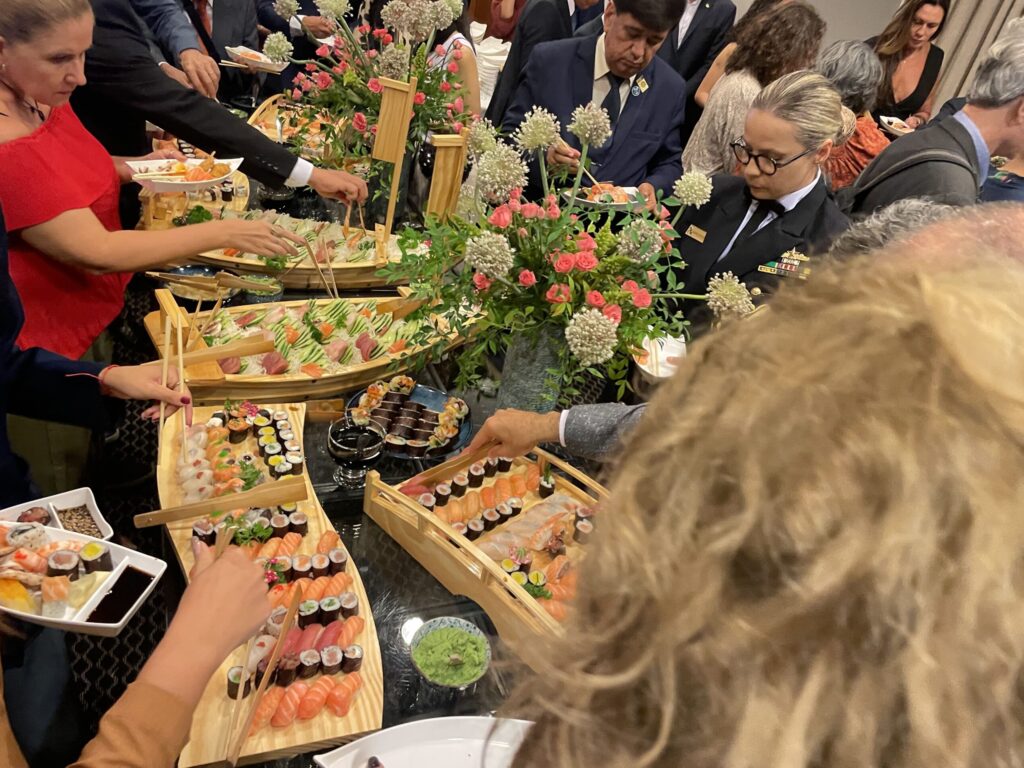
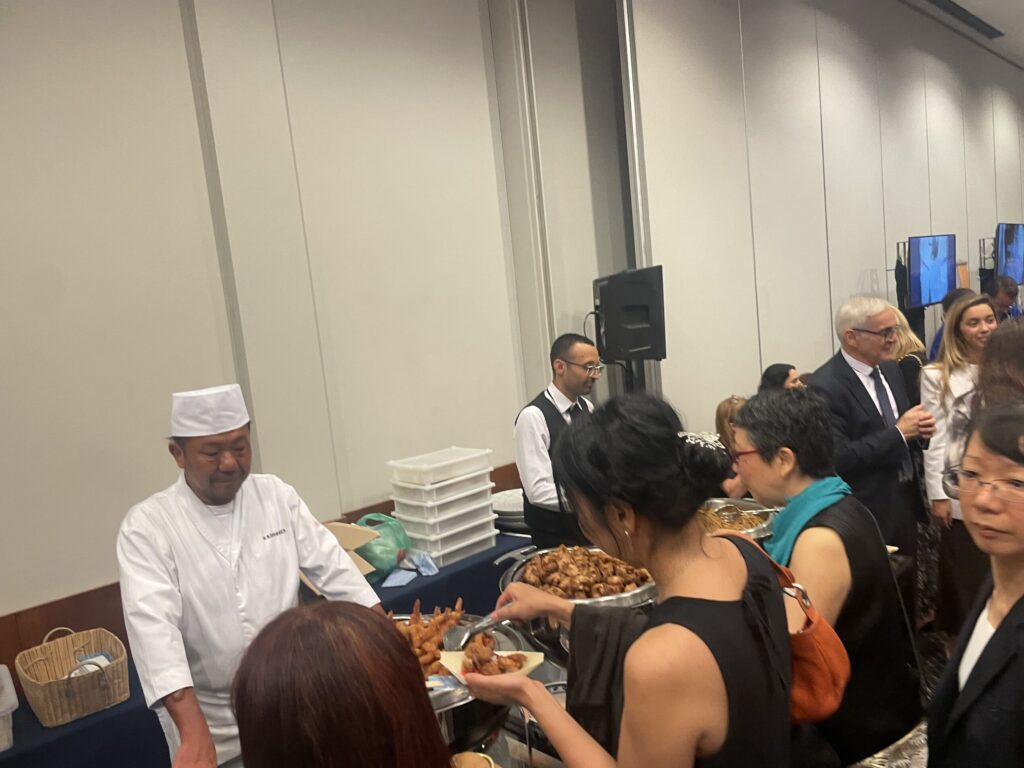
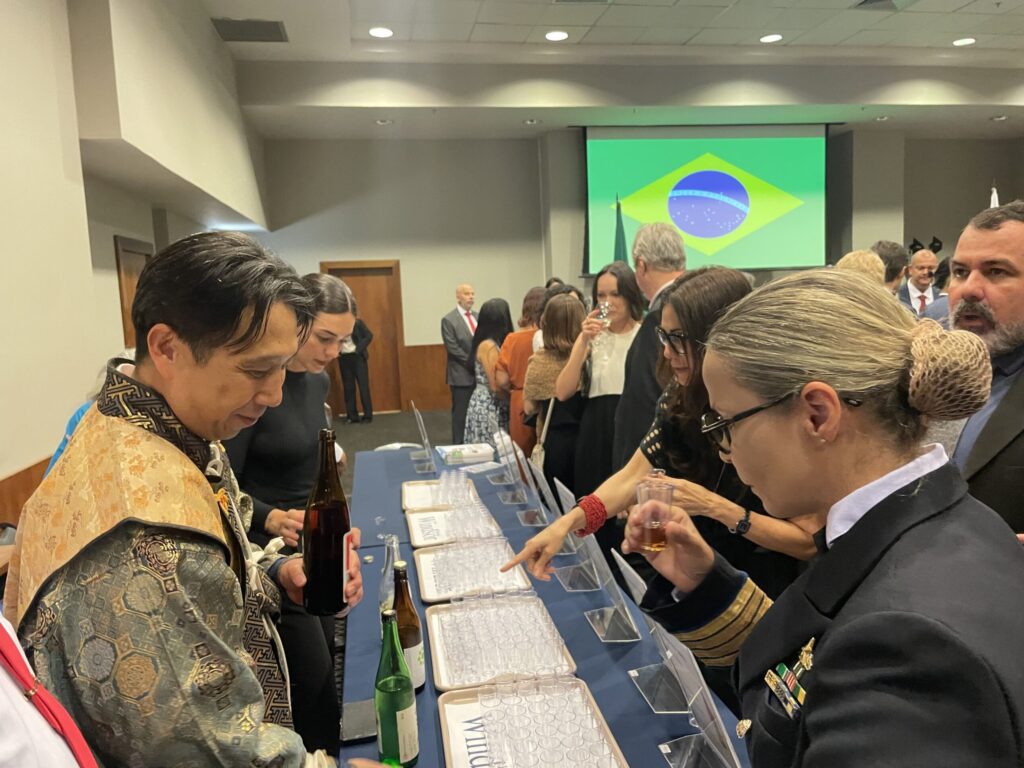
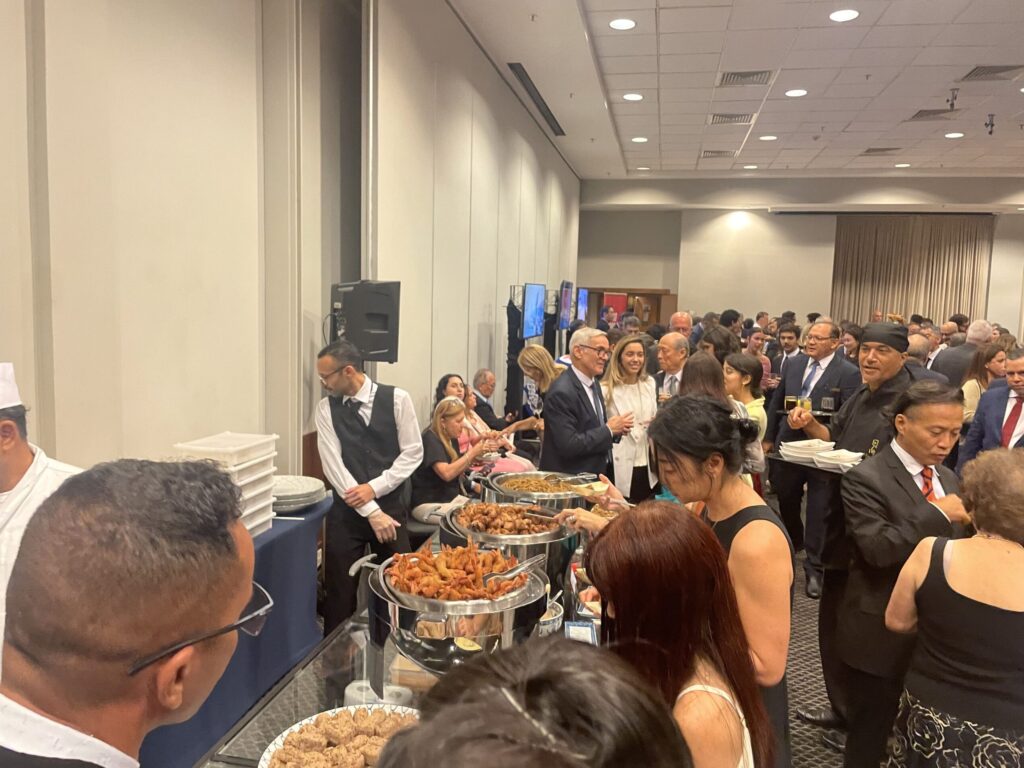
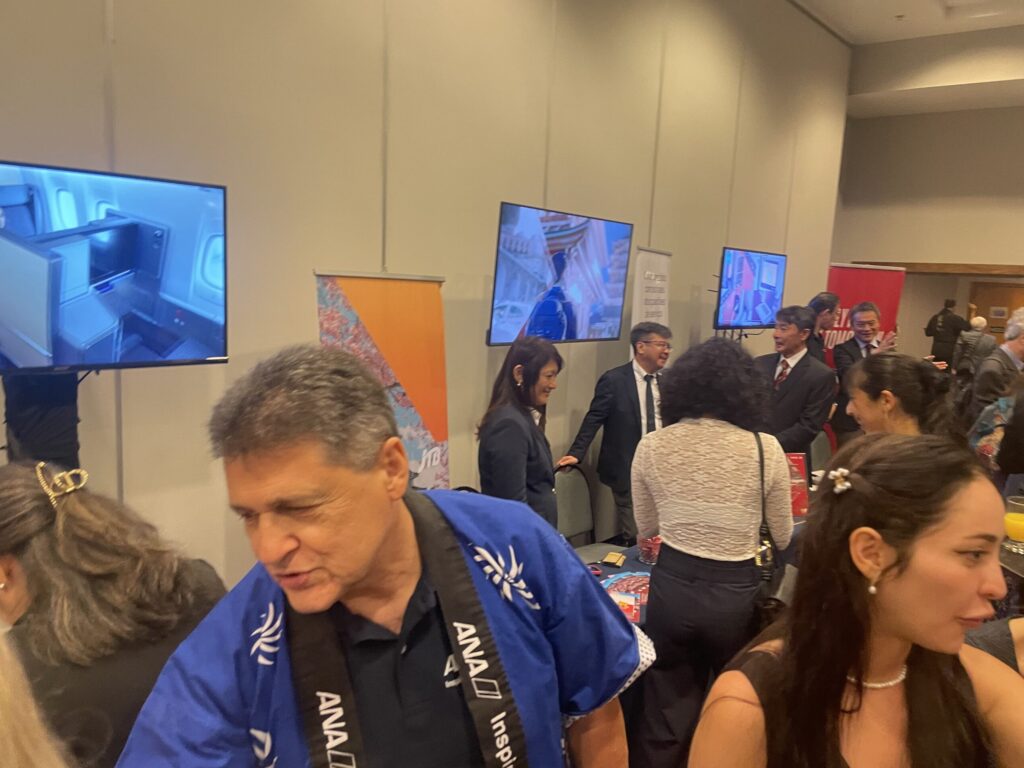
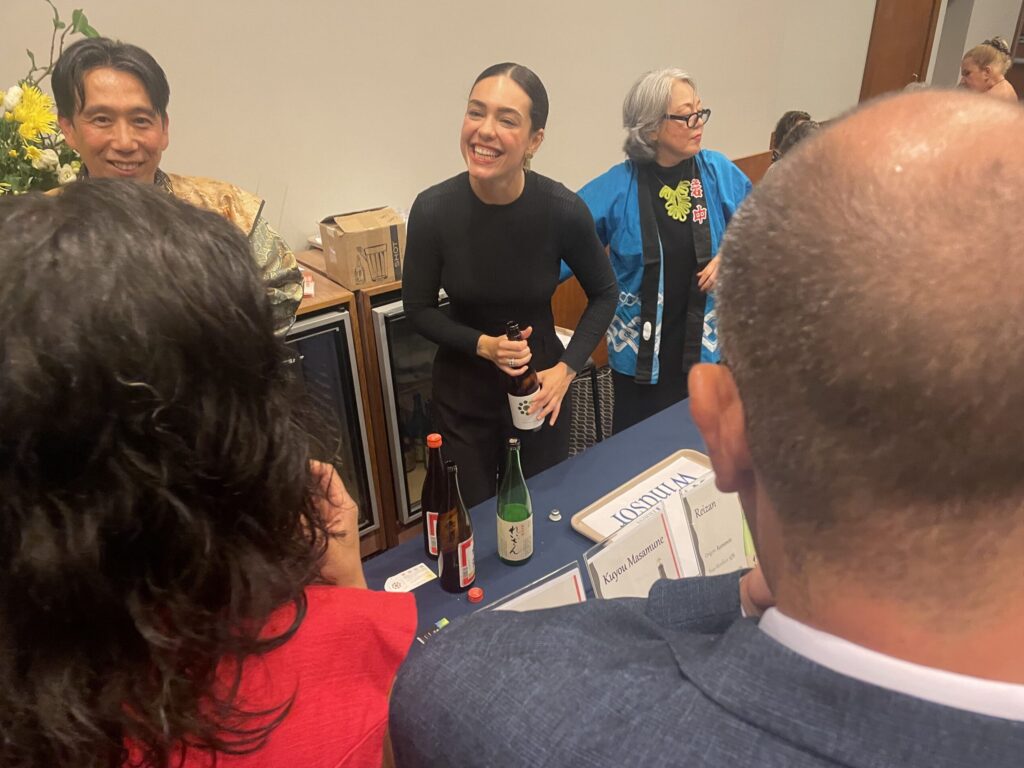
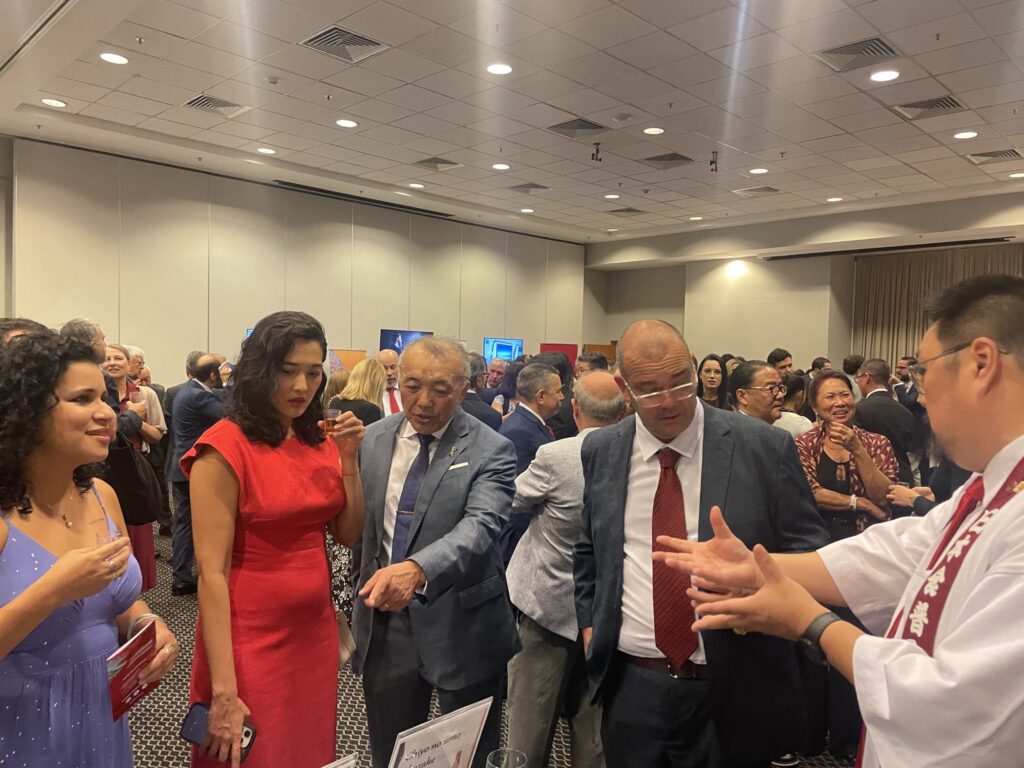
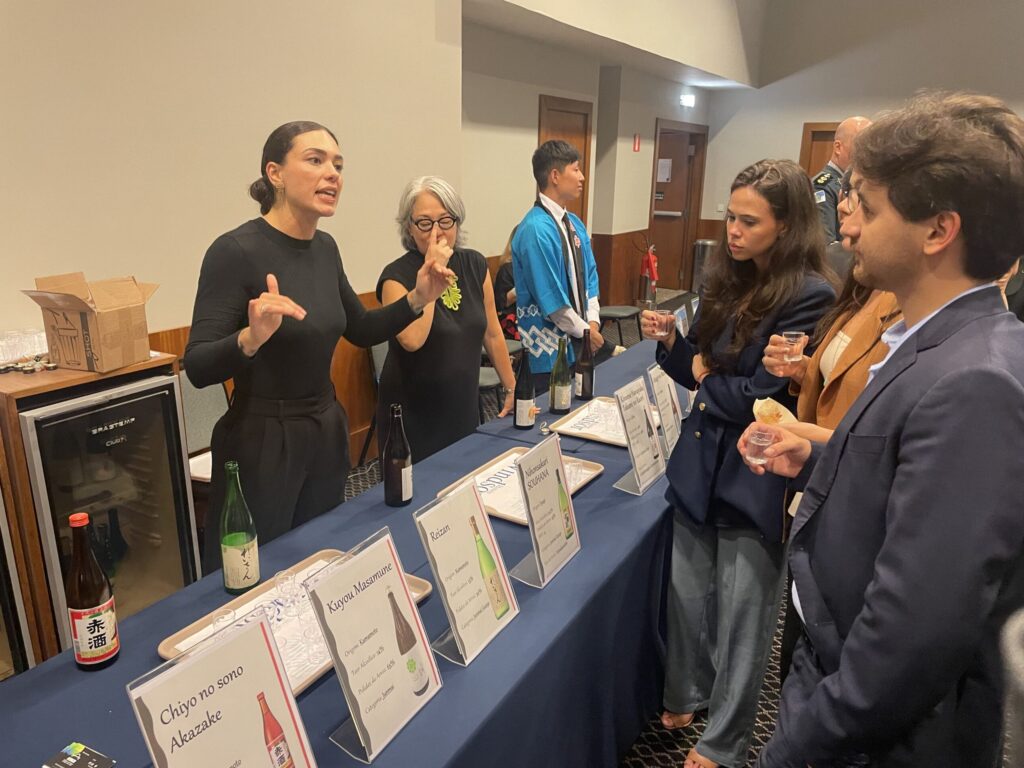
At the venue, we once again felt the strong interest in Japanese culture and cuisine, and were given the opportunity to introduce Kumamoto’s sake culture. Rather than simply presenting products, we made a point of conveying them as stories that include Japan’s regional culture and background, engaging in conversation with many guests.
The Kumamoto sake we served was very highly rated by Brazilian guests, many of whom told us it was “a taste unlike anything I have had before.”
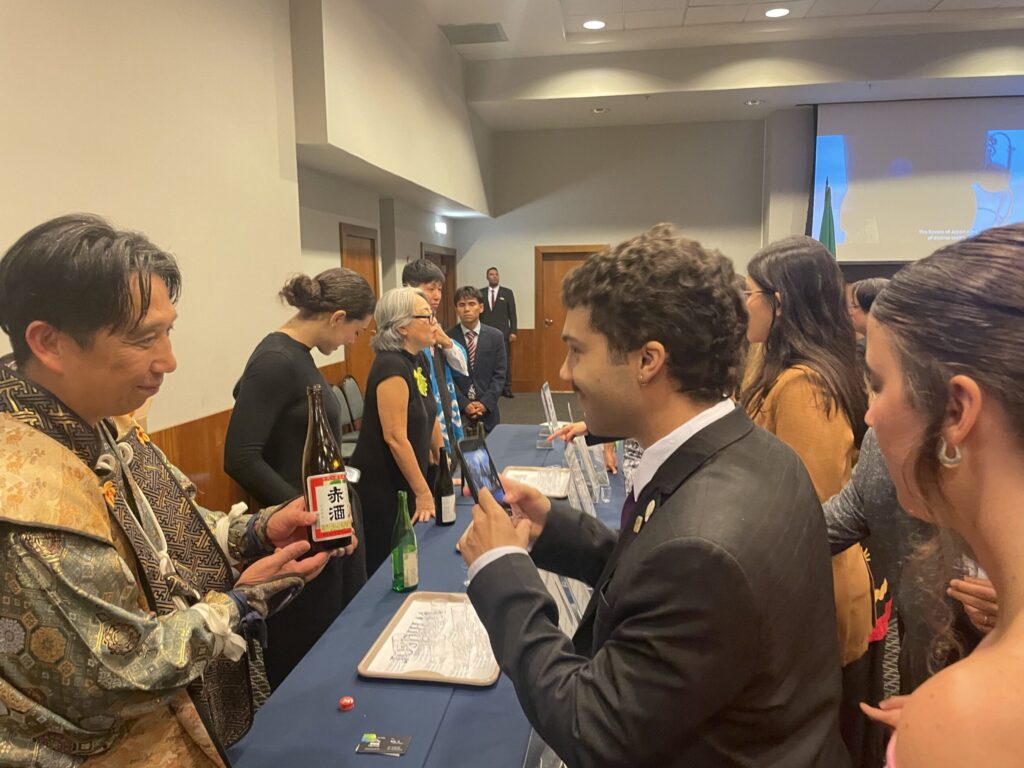
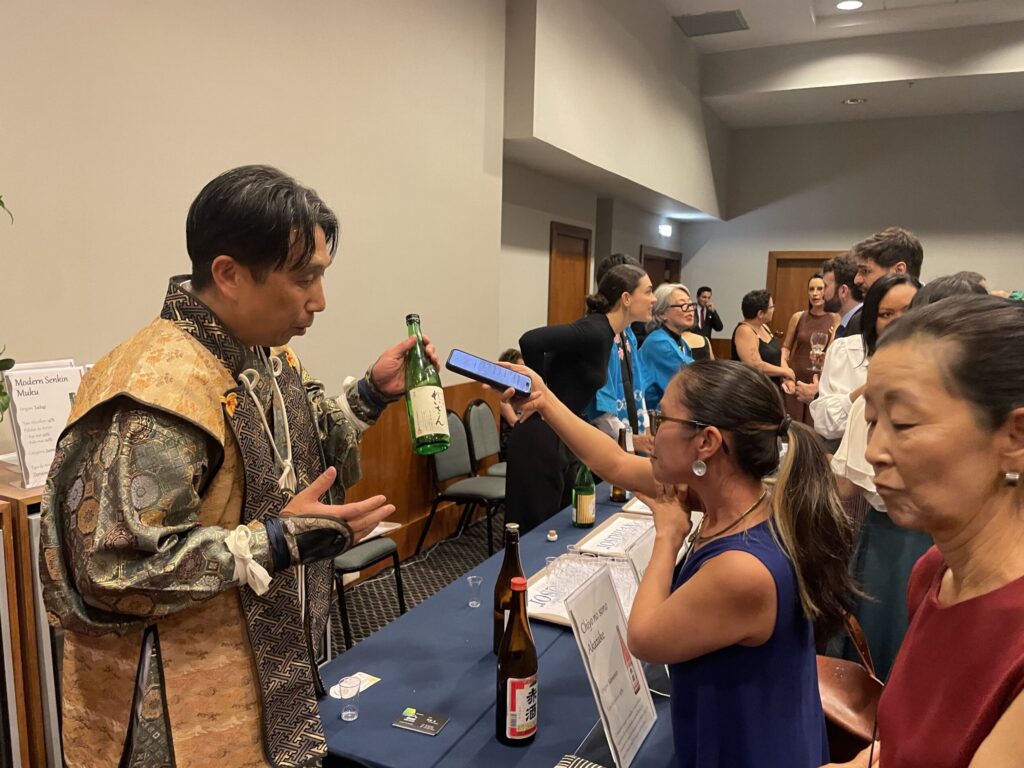
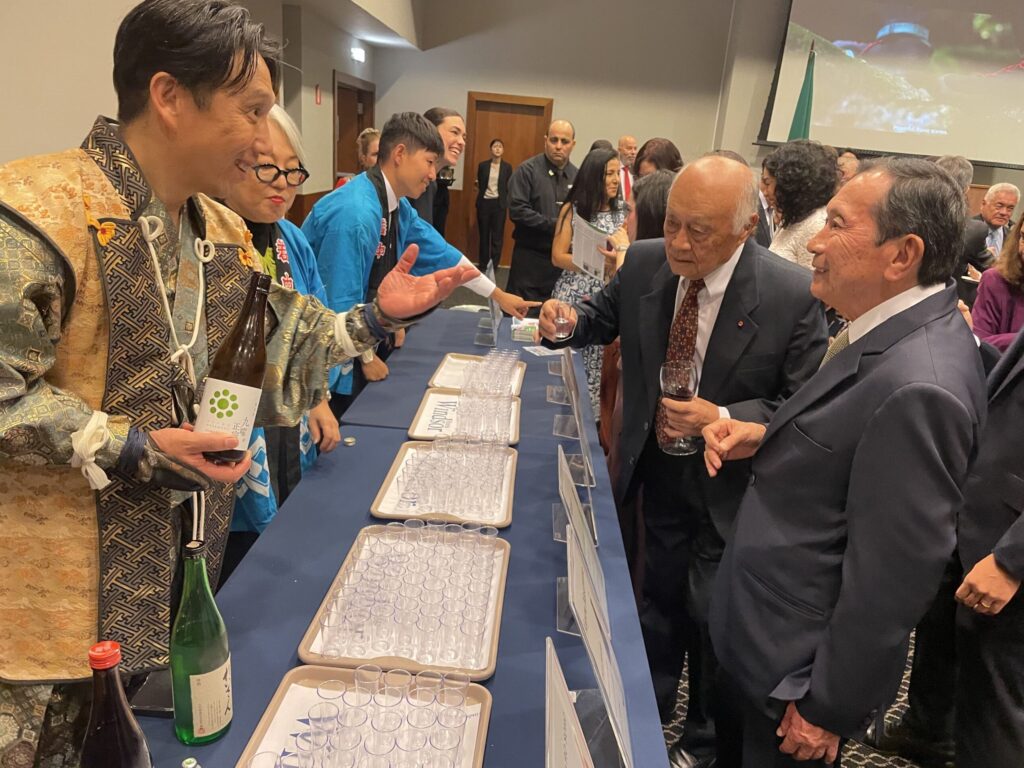
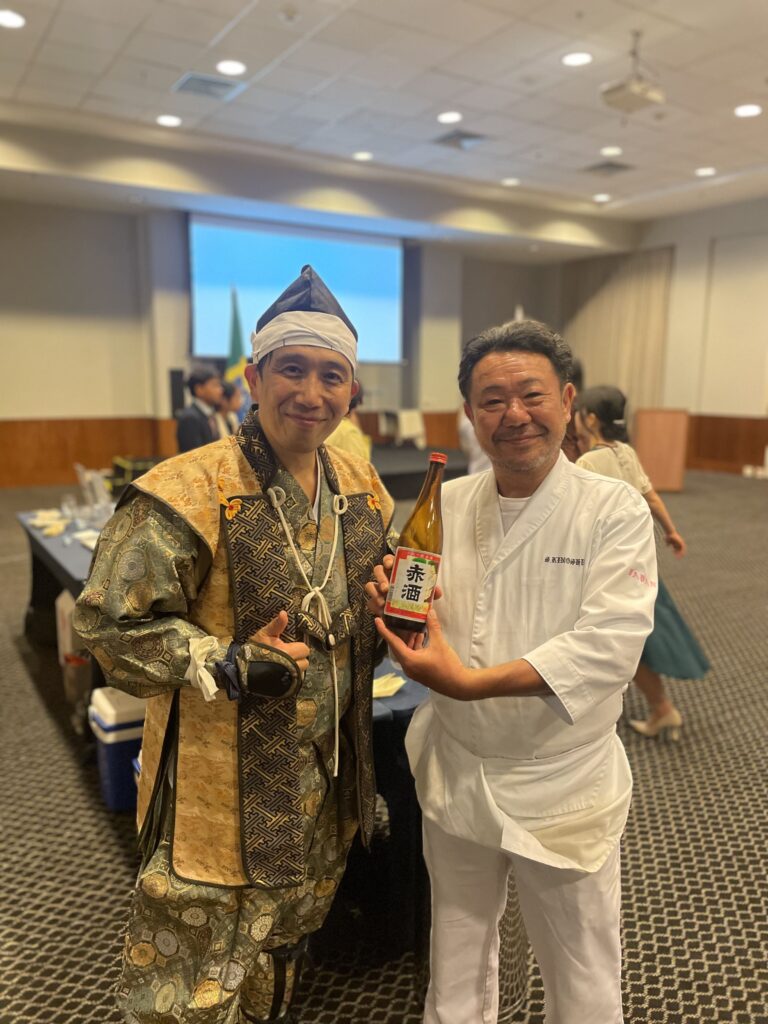
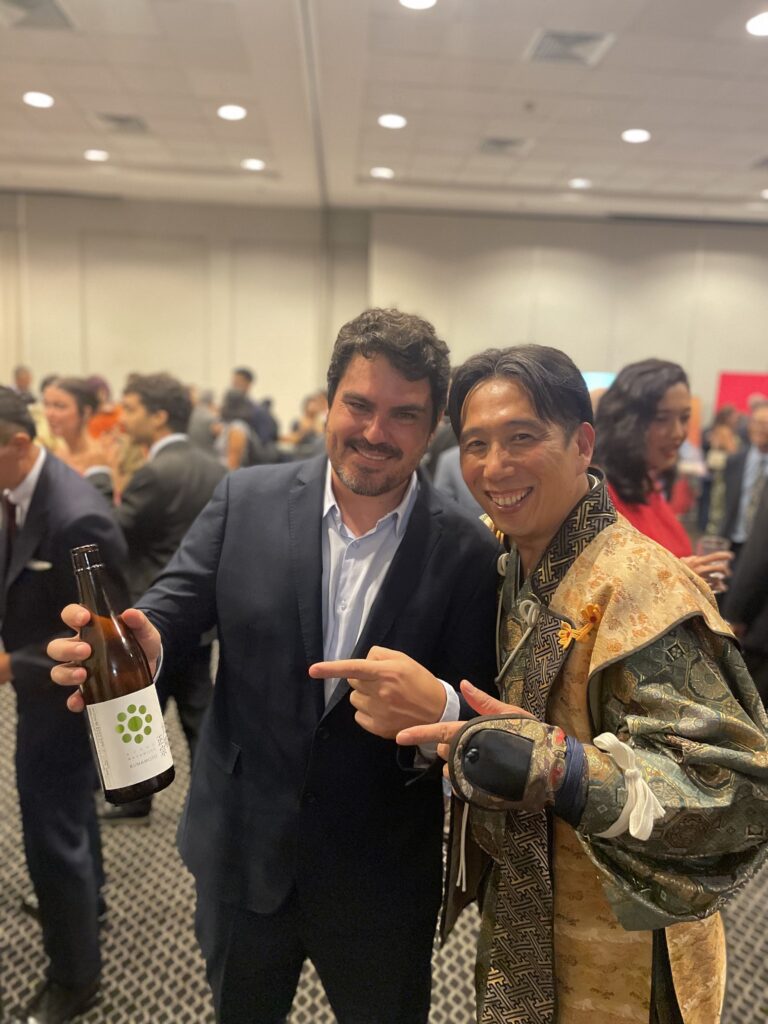
We also received warm words from Consulate General staff, and it was an occasion to feel that sake with regional character can be well received overseas. Interest was especially high in Chiyonosono’s akazake (red sake), Reizan, and Kuyo Masamune, and it was striking to see sake received not merely as a beverage but as a cultural experience.
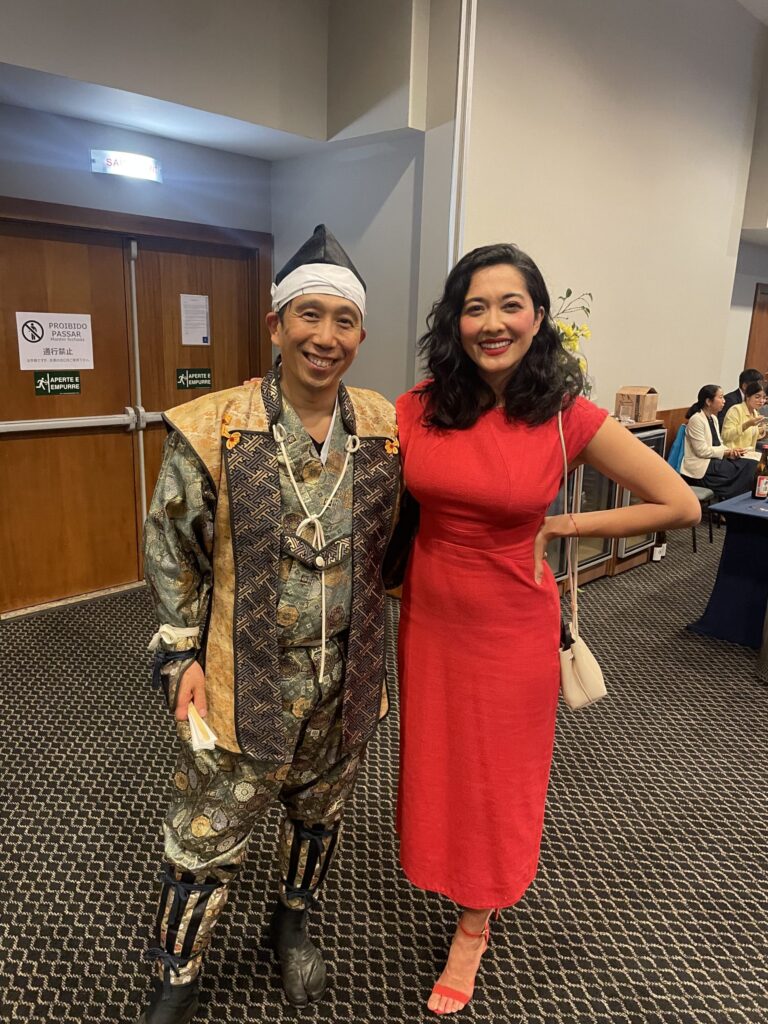
I attended the event wearing a jinbaori (a samurai surcoat), and I feel this symbolic touch of Japanese culture helped
create memorable exchanges with guests. Respect for Japanese culture is strong in Brazil, and I learned once again that visual elements like this can be a starting point for deeper cultural understanding.
In conversations with guests, we also exchanged many views on the potential of Japanese alcoholic beverages in the Brazilian market. While quality is very highly regarded, we recognized once again that practical challenges also exist, such as price range, distribution structure, and the impact of laws and taxes. Given the diplomatic nature of the occasion, exchanges often remain formal, but this time it was notable that we could go deeper into concrete market topics and future developments.
Brazil has more than 130 years of Japanese immigration history, and respect for Japanese culture is deeply rooted, while we also sensed that new generations are embracing Japanese culture through their own interpretations. Sake and Japanese food tend to be seen not simply as imported goods but as “cultural experiences,” and we were reminded of the importance of how a brand is communicated and of building relationships locally.
We believe the insights gained here can be important material to support practical decisions for companies planning overseas expansion and local governments exploring the possibilities.
This report is shared as a record of lessons and reflections Suguru Nishida has gained through practical work in the field. We hope it proves useful to you.
[Suguru Nishida] Cultural Field Architect
— Culture is not something to be transported; it grows through encounters between people. —
A practitioner who continues to build bridges with overseas markets, centered on Japanese culture, regional character, and food culture.
He has worked across a wide range of fields connecting Japan and the world, including cultural exchange, food culture projects, overseas expansion support, and regional brand promotion.
Going beyond importing, exporting, or event planning, he values “understanding and conveying the cultural background and philosophy,” and delivers the value of Japanese culture in practical ways through dialogue with local chefs, producers, businesses, and government officials.
He currently leads “WABITABI,” a training program for learning the essence of Japanese history, culture, and regional character through hands-on experience—offering opportunities to understand Japanese culture deeply from a perspective different from tourism, and exploring new forms of cultural exchange with other countries.
He records his experiences and lessons overseas as the “Suguru Nishida | Overseas Field Report” series, sharing practical insights with companies and local governments aiming to expand overseas.
Culture is not something delivered one way; it grows through relationships with people.
Continuing to create “spaces for dialogue” that connect Japan and the world is the core of his current work.